




Blog > Hayward Concrete Solutions Articles
Hayward Concrete Solutions Article Library
Welcome to the Hayward Concrete Solutions Blog Article Library, a valuable resource designed to connect homeowners like you with the world of concrete craftsmanship and innovation.
Our blog serves as a hub for those seeking inspiration and information about the remarkable potential of concrete in transforming your living spaces.
Whether you're planning a home improvement project, considering a renovation, or simply intrigued by the beauty of concrete, our library of articles is here to empower you with knowledge and insights. Join us on a journey of exploration as we unveil the incredible possibilities of concrete and showcase the exceptional creations that await you.
At Hayward Concrete Solutions, we're not just a contractor; we're your partner in creating concrete masterpieces that enhance your home's beauty and functionality.

Hayward Concrete Solutions Article Library
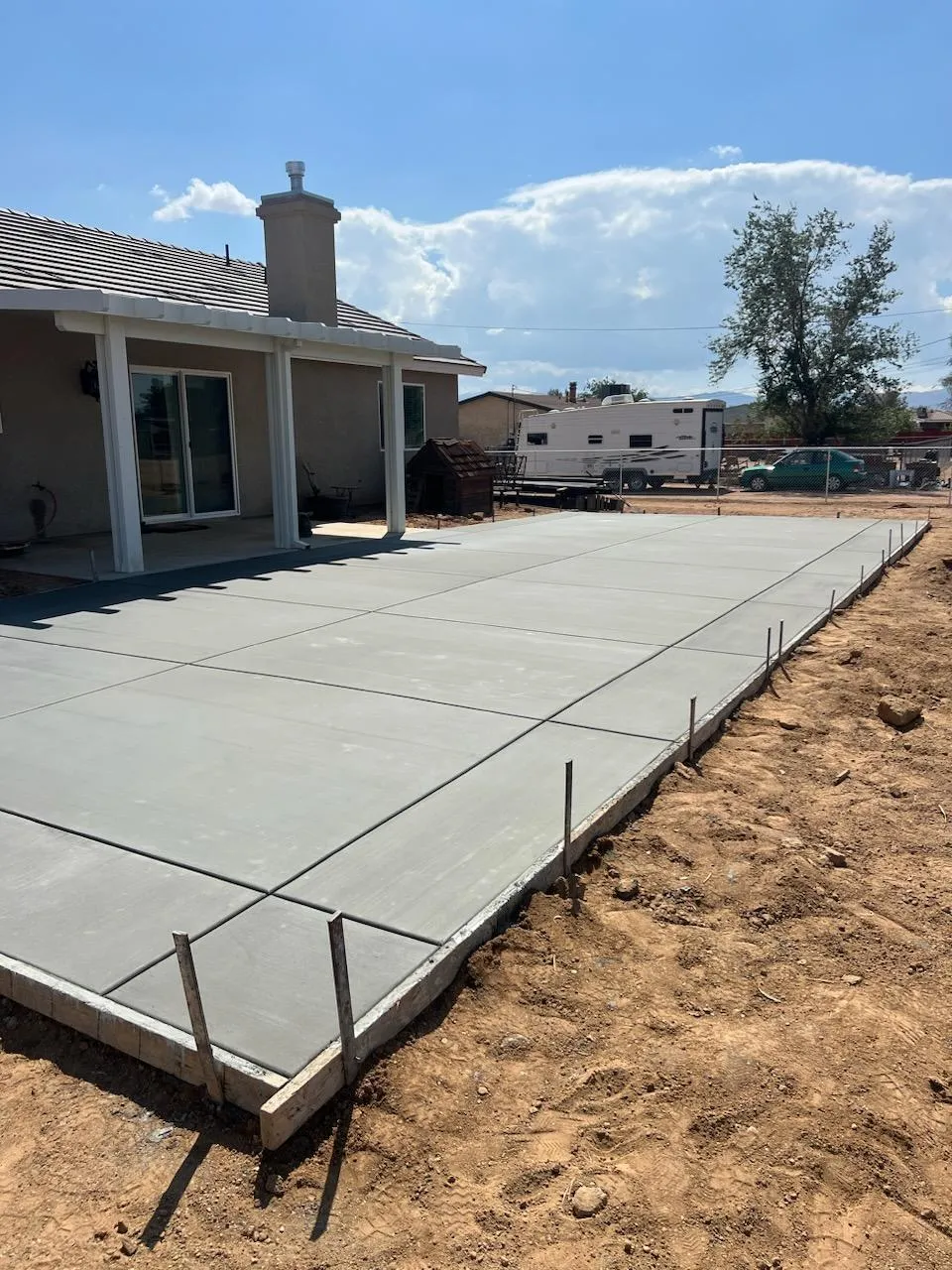
What Should Be in a Concrete Detail?
Concrete details are specific, observable facts that enhance writing by making it vivid and understandable. In the context of concrete work, these details are crucial for accurate planning, construction, and communication. Concrete work involves various stages and elements that require precise descriptions to ensure quality and durability. Here’s what should be included in a concrete detail for construction purposes.
Key Components of Concrete Work Details
Preparation of the Concrete Mix
Materials Used: Specify the types and proportions of cement, sand, gravel, and water. For example, "The mix consists of Portland cement, fine aggregate sand, coarse aggregate gravel, and water in a 1:2:4 ratio."
Additives: Include any additives or admixtures used to enhance the properties of the concrete, such as plasticizers, accelerators, or fibers.
Transportation of the Mix
Method of Transport: Detail how the concrete will be transported to the site. For instance, "The concrete will be transported using a ready-mix truck."
Timing: Mention the time frame within which the concrete must be transported and poured to prevent premature setting. For example, "The mix should be placed within 90 minutes of batching."
Placement and Compaction
Formwork Details: Describe the formwork materials and dimensions. For example, "The formwork will be constructed from plywood sheets and 2x4 lumber, with dimensions of 10 feet by 20 feet."
Compaction Methods: Specify the tools and methods used for compaction, such as vibrators or tampers. For example, "The concrete will be compacted using a handheld vibrator to eliminate air pockets."
Finishing
Surface Finish: Detail the type of finish required, such as smooth, brushed, or stamped. For instance, "The surface will be smoothed with a steel trowel and then brushed to create a non-slip texture."
Timing: Indicate when finishing should begin after placement. For example, "Finishing should commence once the surface water has evaporated and the concrete has started to set."
Curing
Curing Methods: Describe the method of curing, such as wet curing, curing compounds, or covering with plastic sheeting. For example, "The concrete will be kept moist for seven days using wet burlap and plastic sheeting."
Duration: Specify the duration of the curing process. For example, "Curing will continue for a minimum of 28 days to achieve the desired strength."
Types of Concrete
Plain Cement Concrete (PCC)
Usage: Used for non-reinforced structures like pavements and walkways.
Mix Proportion: Typically, a 1:2:4 mix ratio of cement, sand, and gravel.
Reinforced Cement Concrete (RCC)
Usage: Used for load-bearing structures like beams, columns, and slabs.
Reinforcement Details: Specify the type, size, and placement of reinforcement bars. For example, "Use #4 rebar spaced 12 inches apart in both directions."
Importance of Concrete Details
Accuracy in Construction
Concrete details ensure that every aspect of the concrete work is planned and executed accurately, minimizing errors and ensuring structural integrity.
Quality Assurance
Detailed descriptions help maintain high standards of quality by specifying the materials and methods to be used.
Clear Communication
Providing concrete details facilitates clear communication among all parties involved, including architects, engineers, contractors, and workers.
Compliance with Standards
Ensuring that concrete work complies with industry standards and regulations requires precise and detailed planning.
Conclusion
Concrete details are essential for the successful execution of any concrete work. They provide clear, specific, and observable information that ensures accuracy, quality, and compliance in construction projects. Whether you're working on a small residential driveway or a large commercial structure, incorporating detailed descriptions of materials, methods, and processes will lead to better outcomes and longer-lasting concrete structures.

Contact Us
Service Hours
Social Media
2026 | Hayward Concrete Solutions | Rights Reserved

This site is owned & operated by: ABC Concrete Inc (Lic #: 1114281)
Powered By: House Reno Profits
Blog > Hayward Concrete Solutions Article Library
Hayward Concrete Solutions Article Library

Welcome to the Hayward Concrete Solutions Blog Article Library, a valuable resource designed to connect homeowners like you with the world of concrete craftsmanship and innovation.
Our blog serves as a hub for those seeking inspiration and information about the remarkable potential of concrete in transforming your living spaces.
Whether you're planning a home improvement project, considering a renovation, or simply intrigued by the beauty of concrete, our library of articles is here to empower you with knowledge and insights.
Join us on a journey of exploration as we unveil the incredible possibilities of concrete and showcase the exceptional creations that await you.
At Hayward Concrete Solutions, we're not just a contractor; we're your partner in creating concrete masterpieces that enhance your home's beauty and functionality.
Hayward Concrete Solutions Article Library
What Should Be in a Concrete Detail?
Concrete details are specific, observable facts that enhance writing by making it vivid and understandable. In the context of concrete work, these details are crucial for accurate planning, construction, and communication. Concrete work involves various stages and elements that require precise descriptions to ensure quality and durability. Here’s what should be included in a concrete detail for construction purposes.
Key Components of Concrete Work Details
Preparation of the Concrete Mix
Materials Used: Specify the types and proportions of cement, sand, gravel, and water. For example, "The mix consists of Portland cement, fine aggregate sand, coarse aggregate gravel, and water in a 1:2:4 ratio."
Additives: Include any additives or admixtures used to enhance the properties of the concrete, such as plasticizers, accelerators, or fibers.
Transportation of the Mix
Method of Transport: Detail how the concrete will be transported to the site. For instance, "The concrete will be transported using a ready-mix truck."
Timing: Mention the time frame within which the concrete must be transported and poured to prevent premature setting. For example, "The mix should be placed within 90 minutes of batching."
Placement and Compaction
Formwork Details: Describe the formwork materials and dimensions. For example, "The formwork will be constructed from plywood sheets and 2x4 lumber, with dimensions of 10 feet by 20 feet."
Compaction Methods: Specify the tools and methods used for compaction, such as vibrators or tampers. For example, "The concrete will be compacted using a handheld vibrator to eliminate air pockets."
Finishing
Surface Finish: Detail the type of finish required, such as smooth, brushed, or stamped. For instance, "The surface will be smoothed with a steel trowel and then brushed to create a non-slip texture."
Timing: Indicate when finishing should begin after placement. For example, "Finishing should commence once the surface water has evaporated and the concrete has started to set."
Curing
Curing Methods: Describe the method of curing, such as wet curing, curing compounds, or covering with plastic sheeting. For example, "The concrete will be kept moist for seven days using wet burlap and plastic sheeting."
Duration: Specify the duration of the curing process. For example, "Curing will continue for a minimum of 28 days to achieve the desired strength."
Types of Concrete
Plain Cement Concrete (PCC)
Usage: Used for non-reinforced structures like pavements and walkways.
Mix Proportion: Typically, a 1:2:4 mix ratio of cement, sand, and gravel.
Reinforced Cement Concrete (RCC)
Usage: Used for load-bearing structures like beams, columns, and slabs.
Reinforcement Details: Specify the type, size, and placement of reinforcement bars. For example, "Use #4 rebar spaced 12 inches apart in both directions."
Importance of Concrete Details
Accuracy in Construction
Concrete details ensure that every aspect of the concrete work is planned and executed accurately, minimizing errors and ensuring structural integrity.
Quality Assurance
Detailed descriptions help maintain high standards of quality by specifying the materials and methods to be used.
Clear Communication
Providing concrete details facilitates clear communication among all parties involved, including architects, engineers, contractors, and workers.
Compliance with Standards
Ensuring that concrete work complies with industry standards and regulations requires precise and detailed planning.
Conclusion
Concrete details are essential for the successful execution of any concrete work. They provide clear, specific, and observable information that ensures accuracy, quality, and compliance in construction projects. Whether you're working on a small residential driveway or a large commercial structure, incorporating detailed descriptions of materials, methods, and processes will lead to better outcomes and longer-lasting concrete structures.
Contact Us
510-318-3114
3524 Breakwater Ave Ste. 107
Hayward, CA 94545
Service Hours
Mon-Sat: 6am-8pm
Sun: Off
Social Media



2026 | Hayward Concrete Solutions | Rights Reserved
Not a licensed company, we are a leads service provider. All work will be performed by a licensed contractor. Customer is subject to do all the diligence. This site is owned & operated by: ABC Concrete Inc (Lic #: 1114281)