Is Gravel Necessary Under Concrete? Exploring Its Importance
Gravel plays a crucial role in the construction of concrete slabs, providing essential support and stability. Whether you're planning a driveway, patio, or foundation for a building, understanding why gravel is necessary and how much is required can ensure a solid and durable structure.
Importance of Gravel Under Concrete
Gravel serves several critical functions that contribute to the longevity and performance of concrete slabs:
Support and Stability:
The primary function of gravel beneath a concrete slab is to provide a stable and well-drained base. By distributing the weight of the concrete evenly, gravel helps prevent uneven settling and cracking of the slab. This support is crucial, especially in areas with expansive soils or variable ground conditions.
Drainage:
Gravel acts as a drainage layer, allowing water to drain away from the underside of the concrete slab. Proper drainage helps prevent water accumulation, which can weaken the concrete over time and contribute to structural issues such as cracking or heaving.
Erosion Control:
In outdoor applications like driveways or patios, gravel under the concrete slab helps control erosion by stabilizing the soil and preventing soil movement due to water runoff or settling.
Temperature Regulation:
Gravel can also contribute to thermal insulation and regulation beneath the concrete slab, helping to mitigate the effects of temperature changes and reducing the risk of frost heave in colder climates.
How Much Gravel is Required?
The amount of gravel required under a concrete slab depends on several factors, including the thickness of the slab, soil conditions, and the intended use of the structure. Generally, the gravel layer beneath a concrete slab is standardized based on industry recommendations and local building codes:
Typical Thickness: A common recommendation is to have a gravel base layer that is 4 to 6 inches thick. This thickness provides adequate support and drainage for most residential and light commercial applications.
Compaction: It's essential to compact the gravel layer thoroughly before pouring the concrete slab. Proper compaction ensures a stable base and reduces the risk of settlement or shifting over time.
Soil Conditions: If the soil beneath the gravel is expansive or prone to significant moisture changes, additional measures such as installing a vapor barrier or using specialized gravel mixes may be necessary to enhance stability and prevent moisture-related issues.
Construction Process
The process of preparing the gravel base for a concrete slab typically involves several key steps:
Site Preparation:
Excavate the area to the required depth, accounting for the thickness of the gravel and the concrete slab. Clear any vegetation or debris from the site.
Gravel Placement:
Spread the gravel evenly across the excavated area, ensuring it is compacted uniformly to achieve the desired thickness and density. Use a compactor or roller to achieve adequate compaction.
Vapor Barrier Installation (if needed):
In areas with high moisture levels, installing a vapor barrier over the compacted gravel can help prevent moisture migration into the concrete slab, reducing the risk of moisture-related damage.
Concrete Pouring:
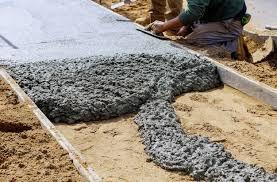
Once the gravel base is prepared and any necessary barriers are in place, pour the concrete mixture over the gravel layer. Ensure the concrete is spread and leveled evenly to form a smooth and uniform surface.
Curing and Maintenance:
Allow the concrete slab to cure according to manufacturer recommendations, providing adequate time for hydration and strength development. Monitor the slab for any signs of settlement or cracking and address any issues promptly.
Conclusion
In conclusion, gravel is indeed necessary under concrete slabs due to its crucial roles in providing support, stability, drainage, and erosion control. The amount of gravel required typically ranges from 4 to 6 inches in thickness, depending on site-specific conditions and project requirements. Proper preparation and compaction of the gravel base are essential steps to ensure a durable and long-lasting concrete slab that withstands the test of time. By understanding the importance of gravel and following best practices during construction, homeowners and contractors can achieve reliable results and avoid common issues associated with improperly prepared foundations.
