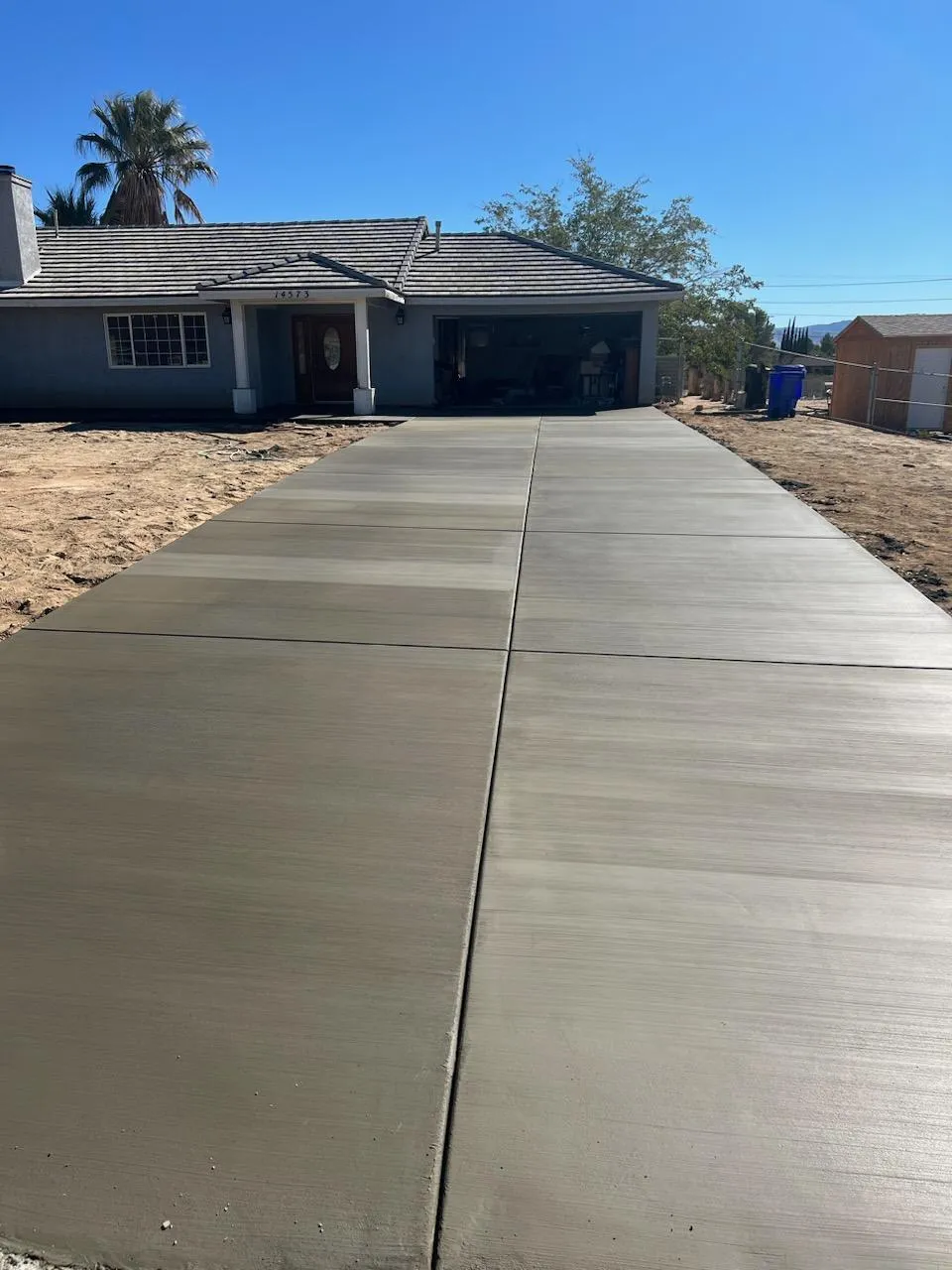
How Thick Should a Concrete Driveway Be?
When planning to install a concrete driveway, one of the critical decisions you'll face is determining the appropriate thickness. The thickness of the concrete directly impacts the driveway's durability, load-bearing capacity, and resistance to cracking over time. Understanding the factors that influence driveway thickness and knowing the recommended standards will help ensure your driveway stands the test of time. Here’s everything you need to know about the optimal thickness for a concrete driveway.
Importance of Proper Thickness
The thickness of a concrete driveway is crucial for several reasons:
Durability: A thicker driveway is more resistant to cracking and can withstand heavier loads without structural damage.
Load-bearing Capacity: The thickness determines how well the driveway can support the weight of vehicles, including passenger cars and heavier trucks or SUVs.
Longevity: Proper thickness contributes to the driveway's longevity, reducing the need for frequent repairs or replacements.
Standard Thickness Guidelines
According to industry standards and recommendations, the following thickness guidelines are typically followed for concrete driveways:
Standard Thickness for Passenger Cars: 4 Inches
A non-reinforced concrete driveway that is four inches thick is considered standard for areas where passenger cars are the primary vehicles. This thickness is sufficient to support the weight of regular cars and provides adequate durability for typical residential use.
Thickness for Heavier Vehicles: 5 Inches
For driveways that will accommodate heavier vehicles such as trucks, vans, or SUVs, a thickness of five inches is recommended. This extra inch provides additional strength and load-bearing capacity to withstand the weight and stress imposed by larger vehicles.
Factors Influencing Thickness Requirements
Several factors influence the thickness requirements for a concrete driveway:
Type of Traffic: Consider the types of vehicles that will use the driveway regularly. Heavier vehicles exert more pressure on the concrete surface, necessitating thicker pavement to prevent cracking or sinking.
Climate and Soil Conditions: Regions with extreme weather conditions, such as freeze-thaw cycles, or expansive soils may require thicker concrete to withstand ground movement and temperature fluctuations.
Drainage Requirements: Proper slope and drainage are essential for preventing water accumulation on the driveway surface, which can weaken the concrete over time. A minimum slope of one percent (1/8 inch per foot) towards the street is recommended for effective water runoff.
Construction and Installation Process
When installing a concrete driveway to the recommended thickness, the process typically involves the following steps:
Site Preparation:
Excavate the area to the required depth, ensuring proper compaction of the soil subgrade to provide a stable base for the concrete.
Formwork Installation:
Set up formwork along the edges of the driveway to contain the concrete during pouring and shaping. Formwork also helps define the dimensions and slope of the driveway.
Concrete Mixing and Pouring:
Prepare the concrete mixture according to specifications, ensuring the correct ratio of cement, aggregates, water, and any additives. Pour the concrete evenly within the formwork, taking care to avoid segregation or air pockets.
Finishing and Curing:
Level and smooth the concrete surface using tools such as floats and trowels to achieve the desired finish. Proper curing is essential to promote hydration and strengthen the concrete, typically requiring protection from drying out too quickly.
Benefits of Proper Thickness
Choosing the appropriate thickness for your concrete driveway offers several benefits:
Enhanced Durability: Thicker concrete is less prone to cracking and settling, ensuring long-term structural integrity.
Improved Load-bearing Capacity: The driveway can safely accommodate heavier vehicles without compromising its stability or surface condition.
Reduced Maintenance: Withstand wear and tear better, reducing the need for frequent repairs and maintenance.
Conclusion
Determining the correct thickness for your concrete driveway is essential for ensuring its longevity, durability, and ability to withstand daily use and environmental conditions. By following industry standards and considering factors such as vehicle traffic, climate, and drainage requirements, you can make an informed decision that ensures your driveway remains functional and attractive for years to come. Whether you opt for the standard four-inch thickness or require additional strength for heavier vehicles, investing in proper thickness upfront will pay off in terms of durability and reduced maintenance costs over time.
