Choosing the Best Driveway Material to Avoid Weeds
Selecting the right driveway material goes beyond aesthetics and durability—it also impacts maintenance and weed control. Weeds can be a persistent issue for homeowners, especially in driveways where gaps or cracks provide opportunities for unwanted growth. To help you make an informed decision, let's explore some of the best driveway materials that minimize weed growth and offer low-maintenance solutions.
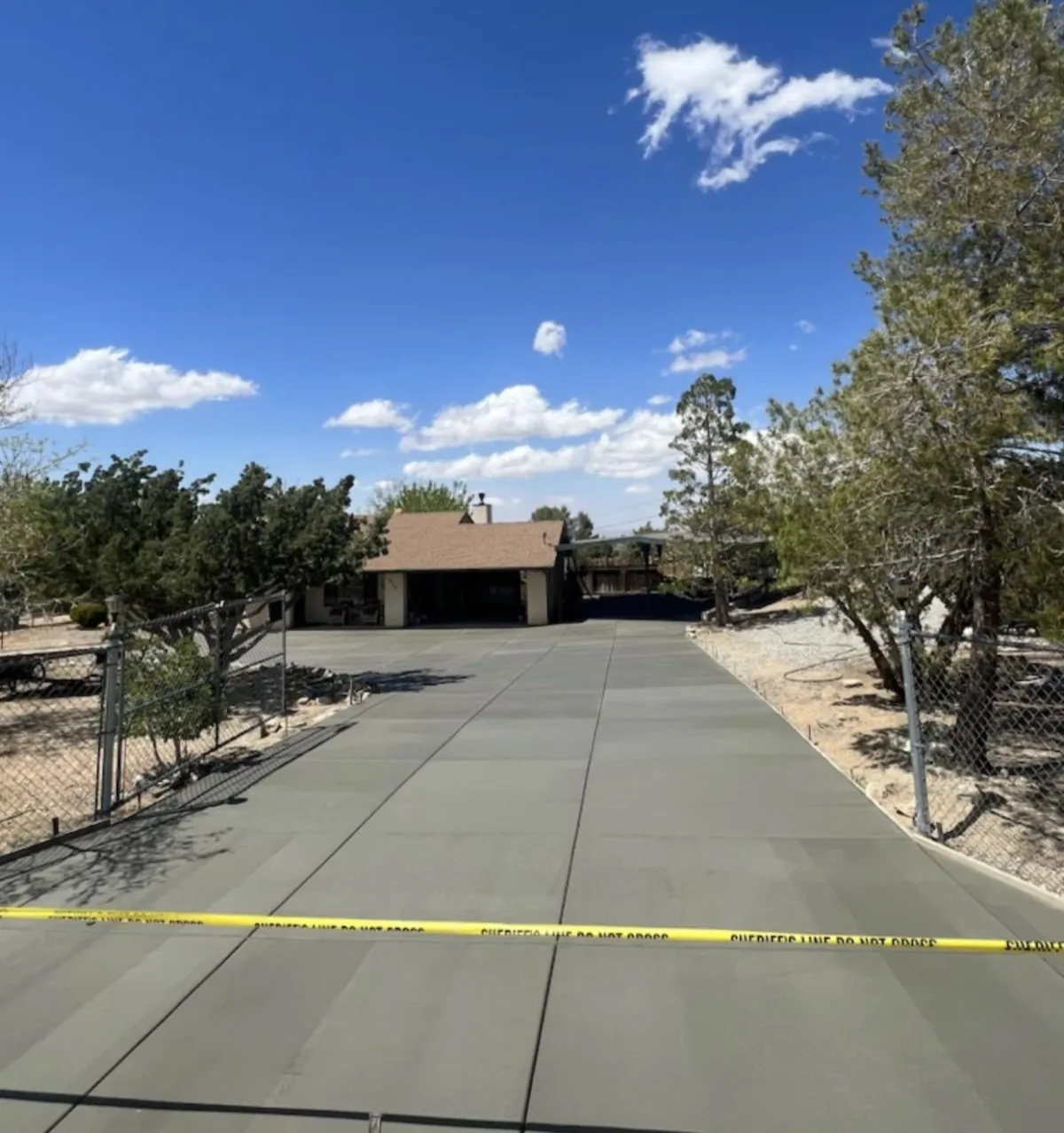
Imprinted Concrete Driveways
Imprinted concrete, also known as stamped concrete, is gaining popularity for its versatility and aesthetic appeal. This driveway material allows for various patterns, textures, and colors to mimic the look of natural stone, brick, or pavers. Here’s why imprinted concrete is effective at preventing weed growth:
Solid Surface: Imprinted concrete is a solid surface without joints or gaps typically found in other driveway materials like pavers or gravel. This minimizes the spaces where weeds can take root, reducing the likelihood of weed growth significantly.
Low Maintenance: Once installed, imprinted concrete requires minimal maintenance to keep weeds at bay. Regular sweeping and occasional pressure washing are typically sufficient to maintain its appearance and prevent debris buildup that could foster weed growth.
Durability: Imprinted concrete is durable and can withstand heavy loads and traffic, making it suitable for both residential and commercial applications. It does not shift or settle like gravel or interlocking pavers, further reducing the chances of weed growth over time.
Asphalt Driveways
Asphalt is another popular choice for driveways due to its affordability and ease of installation. While asphalt driveways can develop cracks over time, proper maintenance can help prevent weeds from taking hold:
Sealing: Regularly sealcoating an asphalt driveway every few years helps maintain its integrity and smooth surface, reducing the risk of cracks and gaps where weeds can emerge.
Smooth Surface: Unlike gravel or permeable paving materials, asphalt provides a relatively smooth and continuous surface that discourages weed growth. However, cracks should be promptly repaired to prevent weeds from establishing roots.
Concrete Driveways
Concrete driveways offer durability and versatility in design, but they can be prone to weed growth in cracks or expansion joints:
Sealing and Maintenance: Similar to asphalt, sealing a concrete driveway periodically helps protect against moisture and weed growth. Additionally, filling cracks and joints with appropriate sealants or fillers prevents weeds from finding a foothold.
Solid Surface Options: Opting for stamped or imprinted concrete reduces the number of joints and gaps where weeds can grow compared to traditional poured concrete. This makes stamped concrete a viable option for homeowners seeking a low-maintenance driveway solution.
Paving Stones or Interlocking Pavers
Pavers offer a visually appealing driveway surface with various patterns and colors. However, they require meticulous installation to minimize weed growth:
Polymeric Sand: Using polymeric sand between pavers helps lock them in place and inhibit weed growth. This sand hardens when exposed to moisture, creating a solid barrier that prevents weeds from sprouting between pavers.
Regular Maintenance: Periodically sweeping or using a leaf blower to remove debris from paver joints helps prevent the buildup of organic material that could support weed growth. Reapplying polymeric sand as needed maintains the integrity of the weed barrier.
Conclusion
Choosing the best driveway material to avoid weeds involves considering factors such as surface type, installation method, and maintenance requirements. Imprinted concrete stands out as an excellent option for minimizing weed growth due to its solid surface and low-maintenance nature. Asphalt, concrete, and interlocking pavers also offer effective solutions with proper installation and maintenance practices. By selecting a driveway material that reduces gaps and joints where weeds can thrive, homeowners can enjoy a cleaner, more aesthetically pleasing driveway while minimizing the need for weed control efforts. Consult with a professional contractor to determine the best driveway material suited to your property and preferences, ensuring a durable and weed-resistant surface that enhances your home's curb appeal.
